
"Choosing the Right Roof: A Comprehensive Guide to KR-18 and SSR-PLUS Systems"
17 Aug
KR-18 and SSR-PLUS Roofing Systems: Features and Applications
Both KR-18 and SSR-PLUS are popular standing seam metal roofing (SSR) systems known for their durability, weather resistance, and modern aesthetics. This article details their features, specifications, and typical applications.
KR-18 System Overview
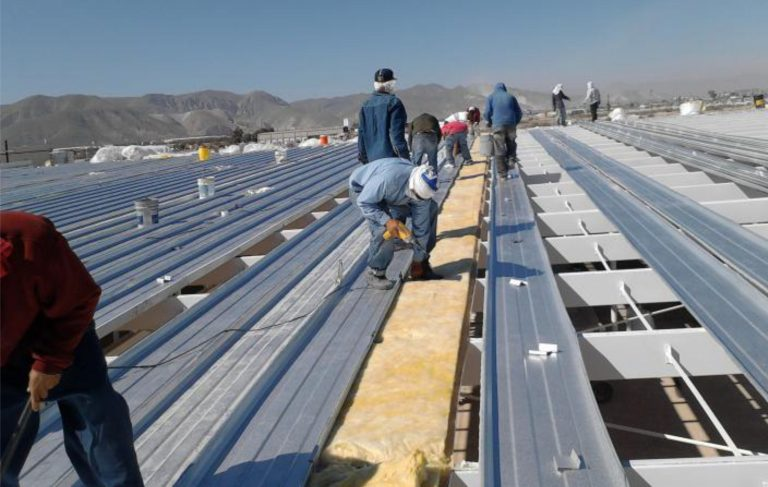
The KR-18 is a structural SSR profile manufactured using roll-forming equipment, often produced on-site from gutter to ridge as a single continuous piece to eliminate transverse overlaps. Its key features include:
-
Hidden-clip fastening: Uses concealed clips rather than exposed screws, eliminating the need to drill through panels and significantly reducing leak risks.
-
Low-slope compatibility: Suitable for roofs with slopes as low as 2%, making it ideal for flat or gently pitched roofs.
-
-
Effective width: ~45.7 cm (18 inches)
-
Rib height (peralte): ~6.35 cm (2.5 inches)
-
-
Finishes: Available in galvanized (Zintro), Galvalume (Zintroalum), or pre-painted (Pintro/polyester) coatings for corrosion resistance and aesthetics.
-
Structural compliance: Section properties calculated per AISI specifications (American Iron and Steel Institute).
The KR-18 uses a clip-lock mechanism that is efficient and quicker to install than traditional seamed panels, reducing labor costs and project timelines


SSR-PLUS System Overview
The SSR-PLUS system features a distinct high rib profile that provides additional structural strength and improved water drainage, particularly beneficial in heavy rainfall regions.
Key characteristics include:
-
Mechanical seaming: Typically installed using advanced seam-locking capabilities, with options such as 90° or 180° seams to create a tight, weather-tight seal.
-
High-gauge materials: Often manufactured from thicker-gauge galvanized steel, adding weight but significantly enhancing strength and durability.
-
Superior weather resistance: Exceptional protection against wind uplift and water infiltration, making it suitable for extreme weather conditions

Comparison Summary
Applications
-
Industrial buildings and warehouses
-
Commercial structures
-
Residential projects (when a sleek, contemporary look is desired)
-
Retrofitting or re-roofing projects
-
Projects with tight budgets or limited labor availability
-
Low-slope roofs
-
High-end commercial and industrial settings
-
Large warehouses and manufacturing facilities
-
Areas prone to extreme weather (high winds, heavy rain)
-
Projects prioritizing long-term durability and minimal maintenance
Conclusion
KR-18 and SSR Plus are advanced metal roofing solutions based on the Standing Seam Roof principle. Their concealed fastening systems, mechanical seams, long panel capabilities, and compatibility with insulation make them particularly suitable for industrial and commercial construction.
KR-18 is generally recognized as a specific structural standing-seam profile with an effective width of approximately 18 inches or 45.72 cm and a rib height of approximately 6.35 cm. It is commonly available in several gauges and finishes and can be produced in long lengths, especially when roll-forming equipment is used at the construction site.
SSR Plus represents a closely related standing-seam roofing approach that emphasizes field roll-forming, concealed clips, and mechanical seaming. Its ability to produce long roof panels makes it an effective solution for large industrial and commercial buildings.
Overall, the biggest advantage of KR-18 and SSR Plus is that they should be considered complete roofing systems rather than simply metal sheets. Their performance depends on the combination of the panel profile, material coating, clips, seams, insulation, flashings, drainage, structural support, and installation quality.
For a real construction project, the final specification should always be based on the current technical data supplied by the selected manufacturer. Gauge, steel grade, coating, span, wind resistance, roof slope, clip spacing, seam configuration, thermal movement, and allowable loads should be verified by the project engineer before installation. When properly designed and installed, KR-18 and SSR Plus can provide durable, efficient, aesthetically attractive, and highly practical roofing solutions for demanding industrial and commercial applications.

Recent Posts

October 26, 2016
The Most Successful Engineering Contractor