
The Light Steel Framing Machine Revolution: Mastering C89, C152, & C305 Profiles
02 Feb

The Light Steel Framing Machine Revolution: Mastering C89, C152, & C305 Profiles
Introduction: The Backbone of Modern Construction
In the dynamic world of construction, efficiency, precision, and sustainability are no longer optional—they're essential. At the forefront of this evolution are Light Steel Framing (LSF) machines, sophisticated manufacturing systems that produce the structural skeletons of modern buildings. Among the most critical outputs of these machines are the standardized C-section studs: C89, C152, and C305 profiles. These components, manufactured from steel ranging from 0.8mm to 2.0mm in thickness, form the vertebrae of everything from residential homes to commercial high-rises. This comprehensive guide explores the technology, capabilities, and transformative impact of LSF machines in today's built environment.
Understanding Light Steel Framing Profiles
Decoding the C-Section Designations
The nomenclature in light steel framing is both practical and informative:
-
"C" indicates the C-shaped cross-section of the stud.
-
The number (89, 152, 305) refers to the depth of the section in millimeters.
C89 Profile (89mm / 3.5")
-
Primary Application: Interior non-load-bearing partitions, ceiling framing
-
Typical Thickness: 0.8mm - 1.2mm
-
Key Feature: Lightweight, cost-effective for interior applications
C152 Profile (152mm / 6")
-
Primary Application: Exterior load-bearing walls, floor joists
-
Typical Thickness: 1.2mm - 1.6mm
-
Key Feature: Balanced strength for most structural applications
C305 Profile (305mm / 12")
-
Primary Application: Heavy load-bearing walls, long-span floor systems
-
Typical Thickness: 1.6mm - 2.0mm
-
Key Feature: Maximum load capacity for demanding structural applications


Material Specifications: 0.8-2.0mm Galvanized Steel
The thickness range represents a strategic balance:
-
0.8-1.0mm: Economical solutions for non-structural applications
-
1.2-1.6mm: Standard range for most structural applications
-
1.8-2.0mm: Heavy-duty applications requiring maximum strength
All materials typically feature:
-
Galvanized Coating: Minimum Z275 (275g/m² zinc coating)
-
High-Strength Steel: Yield strength of 350-550 MPa
-
Consistent Quality: Mill-certified material with precise tolerances
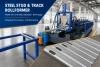
The Light Steel Framing Machine: Engineering Precision
Core Machine Architecture
1. Decoiler and Material Handling System
-
Heavy-Duty Decoiler: Capacity for 3 ton steel coils
-
Automatic Edge Guide: ±0.3mm precision alignment
-
Peel-and-Feed System: Minimizes setup time between coils
-
Tension Control: Servo-controlled for consistent material feed
2. Pre-Punching and Notching Station
-
CNC Punching Unit: Creates service holes (MEP penetrations)
-
Quick-Change Tooling: <5 minute changeover between patterns
-
Scrap Management: Automated removal of punched material
-
Pattern Verification: Vision system confirmation of hole placement
3. Roll Forming Mill
-
Modular Design: 12 forming stations
-
Hardened Steel Rolls: D2 or equivalent tool steel, precision ground
-
Independent Drive System: Each station individually controlled
-
Real-time Monitoring: Load sensors on each forming station
4. Cutting and Output System
-
Flying Cut-Off: Hydraulic cutting
-
Length Control: ±0.5mm accuracy with encoder feedback
-
Automated Stacking: Robotic arm or conveyor-based sorting
Manufacturing Process: From Coil to Structural Component
Phase 1: Material Preparation
-
Coil Inspection: Verification of coating weight and material certification
-
Surface Cleaning: Removal of oils and contaminants
-
Width Verification: Confirmation of coil width for specific profiles
-
Quality Documentation: Traceability system implementation
Phase 2: Progressive Formation
Stage 1: Initial Forming
-
Edge preparation and initial bends
-
Web formation and flange development
-
Lip creation for interlocking capability
Stage 2: Profile Refinement
-
Final dimension calibration
-
Return lip formation
-
Stiffening rib creation (if required)
-
Final straightening and alignment
Phase 3: Quality Assurance and Finishing
-
Coating Inspection: Detection of scratches or damage
-
Sample Testing: Periodic destructive testing of samples
-
Marking and Identification: Automated stamping or labeling


Applications Across Construction Sectors
Residential Construction
Single-Family Homes
-
C89: Interior partitions, closet framing
-
C152: Exterior walls, floor systems
-
C305: Multi-story load-bearing walls, garage door headers
Multi-Unit Residential
-
Apartment Buildings: Consistent, fire-rated wall systems
-
Condominiums: Sound-rated party walls
-
Student Housing: Durable, low-maintenance construction
Commercial and Institutional
Office Buildings
-
Open Plan Layouts: Long-span capabilities with C305
-
Curtain Wall Systems: C152 for exterior framing
-
Interior Fit-Out: C89 for rapid space reconfiguration
Healthcare Facilities
-
Hospital Walls: Fire-rated and hygienic surfaces
-
Clean Rooms: Non-combustible framing
-
MRI Rooms: Non-magnetic steel construction
Educational Facilities
-
Classroom Walls: Durable, impact-resistant construction
-
Science Labs: Chemical-resistant framing
-
Gymnasiums: Long-span structural systems
Specialized Applications
Modular Construction
-
Volumetric Modules: Complete room fabrication
-
Panelized Systems: Wall, floor, and roof panels
-
Hybrid Construction: Integration with other building systems
Disaster-Resistant Construction
-
Seismic Zones: Ductile steel framing systems
-
Hurricane Regions: High wind-load resistance
-
Bushfire Areas: Non-combustible construction
.webp)
.webp)
Advanced Features and Technology Integration
Smart Manufacturing Capabilities
1. Digital Control Systems
-
PLC with HMI: Touchscreen interface with recipe storage
-
Production Monitoring: Real-time OEE (Overall Equipment Effectiveness)
-
Predictive Maintenance: Vibration analysis and temperature monitoring
-
Cloud Connectivity: Remote diagnostics and support
2. Quality Assurance Technology
-
Laser Measurement: Continuous dimensional verification
-
Vision Systems: Surface defect detection
-
Ultrasonic Testing: Material thickness verification
-
Statistical Process Control: Real-time quality analytics
3. Energy and Sustainability Features
-
Regenerative Drives: Energy recovery during deceleration
-
LED Lighting: 60% energy reduction in lighting
-
Heat Recovery: Utilization of motor heat in colder climates
-
Scrap Management: Automated sorting for recycling
Customization and Flexibility
-
Quick-Change Tooling: <30 minute changeover between profiles
-
Variable Length Control: Unlimited cutting lengths
-
Special Hole Patterns: Custom punching for specific projects
-
Material Flexibility: Ability to process pre-painted coils
Conclusion: Building the Future, One Profile at a Time
Light steel framing machines represent more than just manufacturing equipment—they are catalysts for transformation in the construction industry. By enabling the efficient, precise production of C89, C152, and C305 profiles from 0.8-2.0mm steel, these machines empower builders to create structures that are stronger, more sustainable, and more adaptable than ever before.
The convergence of precision engineering, digital technology, and sustainable manufacturing practices positions light steel framing as a key solution for the challenges of 21st-century construction. As building codes evolve, sustainability requirements increase, and construction timelines compress, the role of advanced LSF manufacturing will only grow in importance.
For construction professionals, manufacturers, and developers, understanding and leveraging light steel framing technology isn't just about keeping pace with industry trends—it's about leading the way toward a more efficient, sustainable, and resilient built environment.
Ready to explore light steel framing manufacturing solutions? Our engineering team provides comprehensive support from feasibility analysis through installation and training.

Recent Posts

October 26, 2016
The Most Successful Engineering Contractor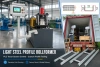
.webp?x-oss-process=image/resize,w_100/quality,q_100)

