Steel vs. Wood Framing
Steel Framing
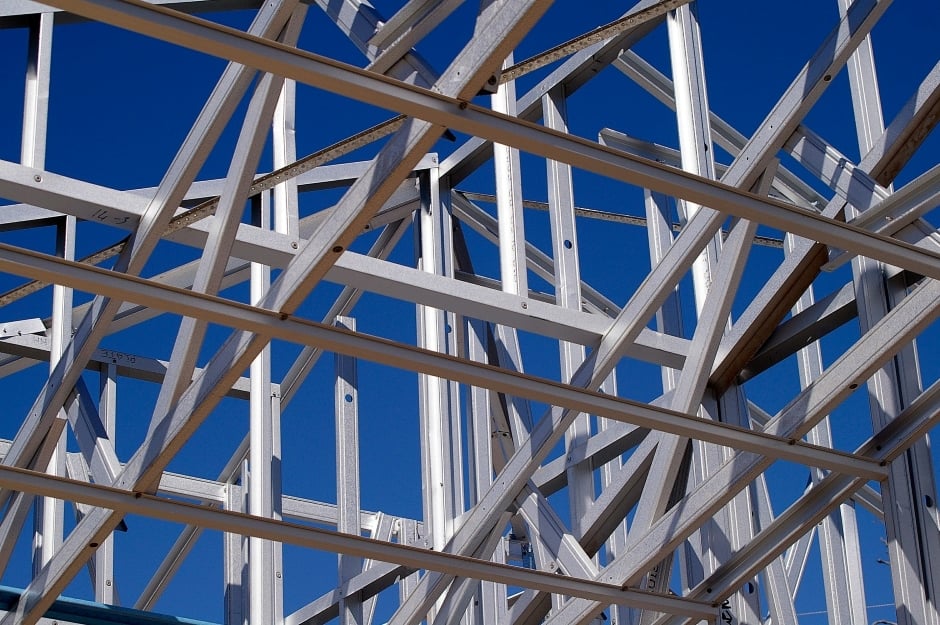
Steel framing is an alternative to wood framing that comes with many of its own benefits. Although it is less common for traditional construction jobs, it can often be an ideal choice for many projects and may even be cheaper than wood framing in some cases.
Pros:
Stronger than wood – more structurally sound in storms
Lighter than wood frames
Non-combustible
More resistant to water damage than wood framing – doesn’t expand or warp the same way wood does
Less likely to attract fungus
Cons:
More difficult to insulate than wood framing – due to the fact that heat energy easily moves through steel, instead of impeding it
Potential to rust
Wood Framing
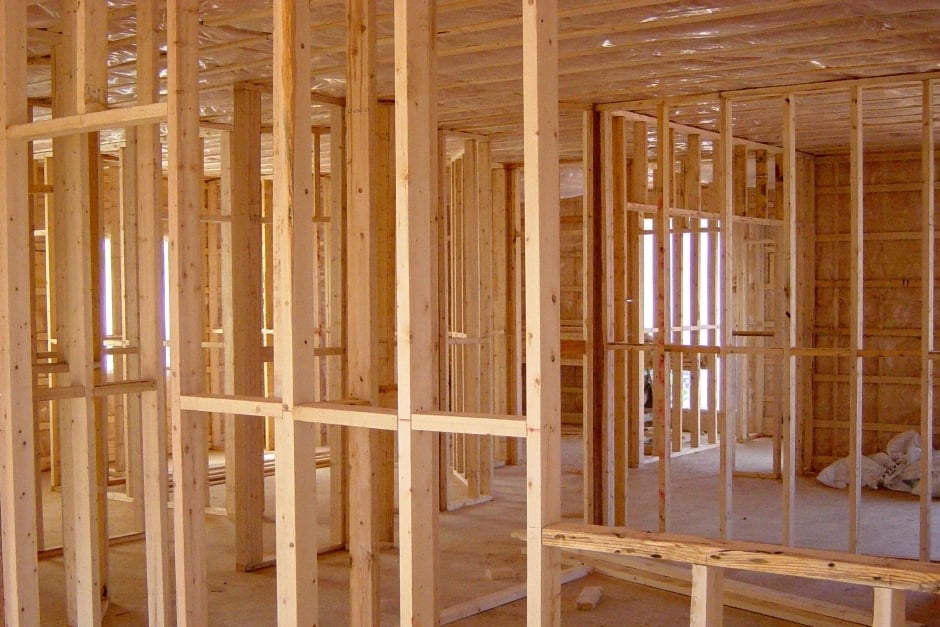
Wood framing is the traditional construction choice. The majority of construction today utilizes wood framing to create a variety of buildings, so many benefits come attached to the familiarity of wood framing.
When we compare wood framing to steel construction, certain characteristics stand out more than others, such as the fact that wood framing is heavier than steel framing. Or that wood framing is more combustible than steel. Although, as the traditional choice for construction, many builders are familiar with wood framing and many owners understand what to expect from wood construction.
Pros:
Natural thermal insulator – wood more easily impedes thermal energy and acts as a heat barrier, unlike steel
Easier to find experienced contractors, architects, and other construction contributors who are familiar with using wood framing
Cons:
Potential to rot
Potential to attract insects
Combustible
Cost comparison: Steel frame vs. wood frame Initial material costs: Wood: Typically lower upfront. Steel: Higher initial investment, particularly for large-scale projects. Long-term maintenance: Wood: Requires ongoing treatments against rot, insects, and moisture. Steel: Lower maintenance over time, minimising costly structural repairs.
Labour expenses:
Wood: Familiarity limits the need for training for crews, but wooden framing requires experience and time to make good onsite.
Steel: Slightly steeper learning curve for inexperienced crews, but automated solutions—using tools like LGS steel frame machine with vertex BD software significantly cut onsite labour by delivering precision-made components.
Durability and strength: Leaning toward steel
When dealing with mid and high-rise buildings, seismic zones, or simply wanting the peace of mind that comes from robust, long-lasting structural components, steel frames overshadow wood.
Load-bearing excellence: Steel can handle heavier loads over broader spans without relying on multiple interior support walls.
Extreme weather ready: From high winds to heavy snow loads, steel stands up to environmental stresses.
By combining steel framing with offsite prefabrication—it’s easier than ever to deliver consistent, high-quality frames that are installed rapidly once they arrive on the job site.
Environmental considerations of steel vs wood
Recyclability: Steel can be recycled repeatedly without losing its properties, often containing a significant percentage of already-recycled content.
Wood’s renewable angle: Harvested from certified forests, wood has appeal. But large-scale timber use can contribute to deforestation if not sourced responsibly.
Manufacturing and waste: While initial steel production can be energy-intensive, advanced methods—plus the material’s long service life— more than balance out its environmental impact. Wood, on the other hand, creates more onsite waste (which can be as high as 20% in some stick-build cases).
Maintenance matters: Steel vs. wood
Steel: Generally minimal. Regular inspections and occasional protective coatings (if needed) keep steel frames in top shape for decades.
Wood: Prone to moisture damage, insect infestations, and warping, requiring periodic sealing, painting, or structural reinforcement.
For property owners keen on low upkeep, steel wins out. A building constructed with precision-made Howick frames typically needs very few repairs—translating to significant savings over the building’s life cycle.
In conclusion, both steel framing and wood framing offer valuable benefits in construction. Steel provides superior strength, durability, and resistance to pests and fire, making it ideal for large or long-lasting structures. Wood framing, on the other hand, is more affordable, easier to work with, and offers better natural insulation, which makes it popular for residential buildings. The choice between steel and wood ultimately depends on project requirements, budget, environmental considerations, and building design. By carefully evaluating these factors, builders can select the most suitable framing system for their construction needs.



.webp?x-oss-process=image/resize,w_100/quality,q_100)


