
Roof Batten and Ceiling Batten – Selection, Installation and Long-Term Performance
12 Oct
Roof Batten and Ceiling Batten – Selection, Installation and Long-Term Performance
1. Introduction
Roof battens and ceiling battens are widely used in residential, commercial, and industrial construction. Although both products are designed to provide supporting frameworks, they serve different purposes within a building.
Roof battens are generally installed as part of the roofing assembly to support roof tiles, metal sheets, or other compatible roof coverings. Ceiling battens are installed beneath roof trusses, joists, or other supporting surfaces to provide a fixing base for plasterboard and other ceiling finishes.
Selecting the right batten system involves more than comparing product prices. Builders and contractors must consider material specifications, structural performance, corrosion protection, installation requirements, and long-term maintenance.
Understanding these factors helps ensure that both roofing and ceiling systems meet the requirements of the project while providing dependable performance throughout their intended service life.
2. Understanding Roof Batten and Ceiling Batten Profiles
Roof battens and ceiling battens may both be manufactured from formed steel, but their profiles are designed for different applications.
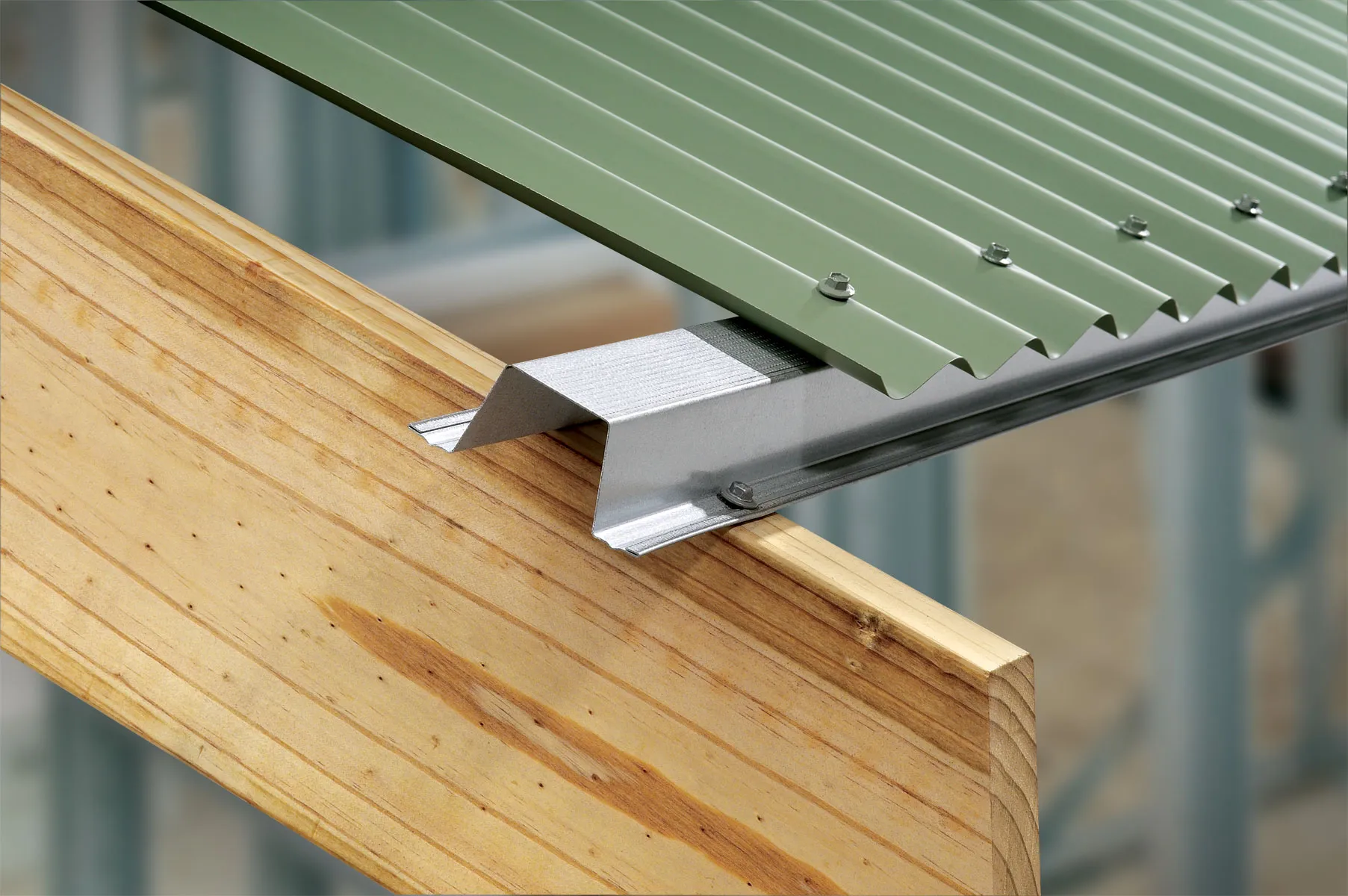
Roof battens must provide suitable fixing points for roof coverings and transfer the specified loads through their connections to the supporting structure. Depending on the roofing design, they may need to accommodate wind forces, roofing material weight, and other environmental loads.
Ceiling battens are generally designed to support interior lining materials. Their important characteristics include profile straightness, dimensional consistency, compatibility with ceiling boards, and the ability to maintain the intended ceiling plane.
Some products have similar channel-shaped or hat-shaped cross-sections. However, similar appearance does not guarantee equivalent load capacity or suitability for the same installation.
Before selecting a profile, buyers should check the product's intended use, dimensions, steel thickness, protective coating, support spacing, and manufacturer's technical specifications.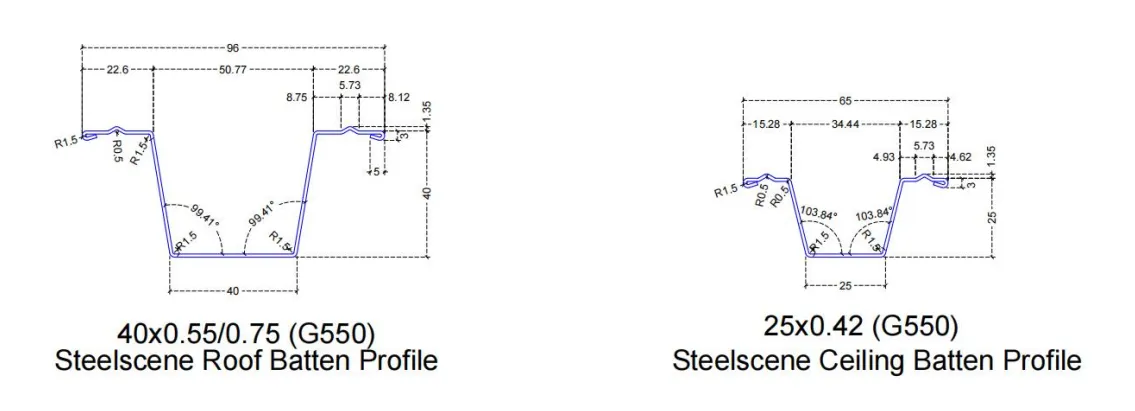
3. How to Choose the Right Roof Batten
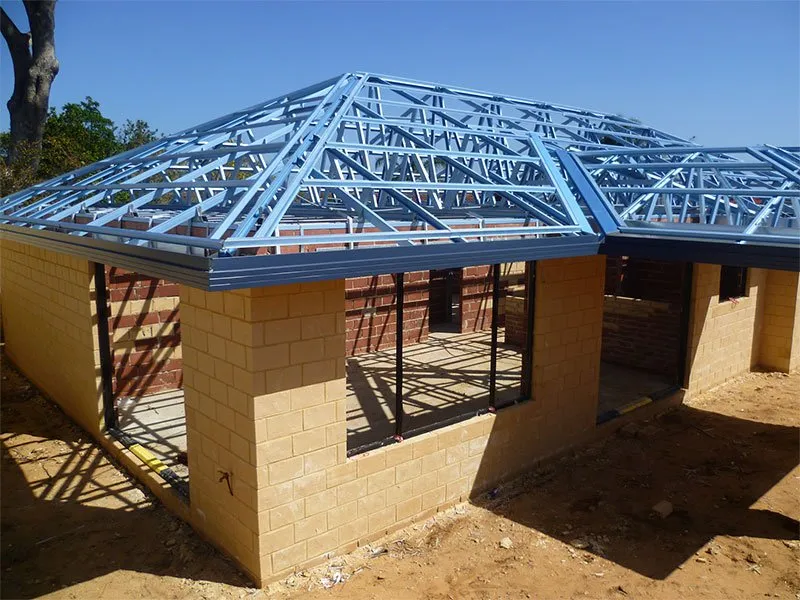
Selecting the right roof batten begins with identifying the roofing material and the design of the roof structure.
For tiled roofs, batten spacing must match the tile dimensions and the installation requirements of the selected roofing system. Incorrect spacing can affect tile alignment, overlap, and the ability of the roof covering to perform as intended.
For metal roofing, the required batten arrangement depends on the sheet profile, fastening method, supporting structure, and design loads. Not every metal roof uses the same batten configuration, so the roofing manufacturer's guidance should always be followed.
Material selection is another important consideration. Galvanized steel battens can offer consistent dimensions and corrosion protection, while suitable timber battens may be preferable for certain traditional roofing applications.
The expected environment should also influence the decision. Buildings in coastal areas or industrial environments may require particular attention to corrosion resistance and material compatibility.
Finally, verify the batten's permitted span, connection requirements, and compliance with applicable building regulations. Product dimensions alone are not sufficient to establish structural suitability.
4. How to Choose the Right Ceiling Batten
Ceiling batten selection should begin with the type of ceiling finish and the condition of the supporting structure.
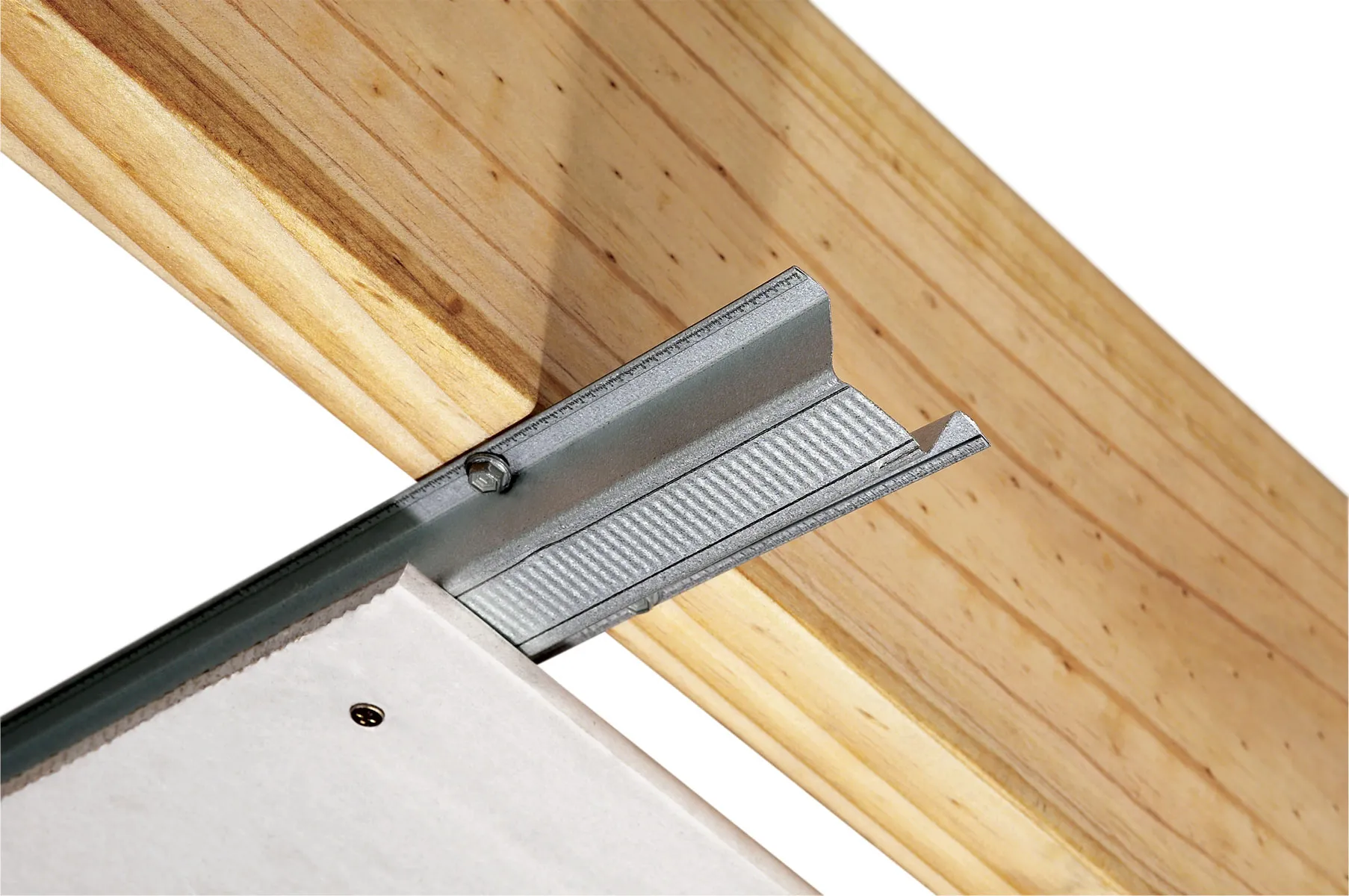
For plasterboard ceilings, the batten layout must comply with the board manufacturer's recommendations and the design requirements of the complete ceiling system. Board thickness, orientation, joint positions, support spacing, and additional loads may affect the required arrangement.
Where the existing structure is uneven, an appropriately designed suspended or adjustable system may help establish a level ceiling. Direct-fixed battens may be suitable where the substrate is sufficiently aligned and the chosen system permits this method.
Galvanized steel ceiling battens are commonly selected for their standardized dimensions and practical compatibility with metal ceiling framing systems. Timber battens may also be suitable when their moisture condition, straightness, and dimensions meet the project's requirements.
Before installation, consider whether the ceiling needs to accommodate lighting, ventilation, insulation, access panels, or other services. Heavy fixtures may require separate supports rather than relying on the ceiling battens alone.
The best ceiling batten is one that matches the lining material, installation method, structural requirements, and intended interior environment.
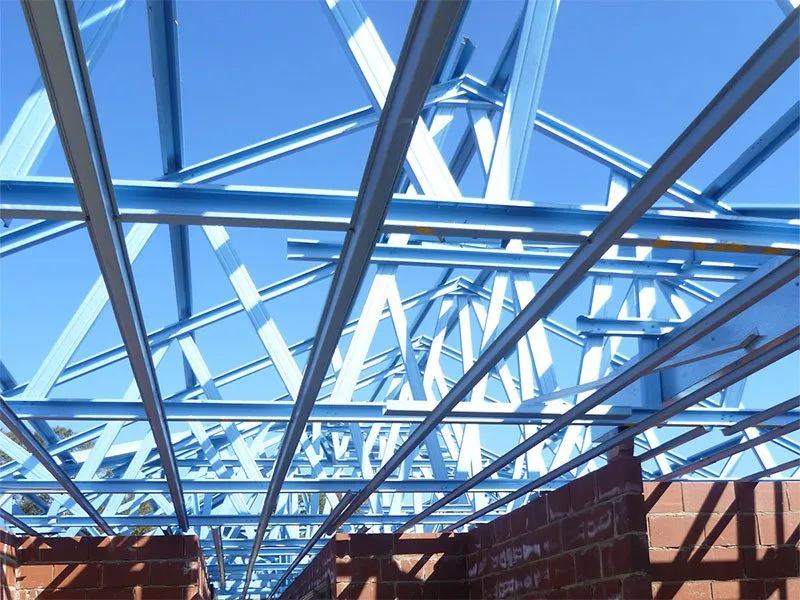
5. Installation Process and Quality Control
Correct installation is essential for achieving reliable performance from roof battens and ceiling battens.
For roof battens, installers should first inspect the supporting structure and confirm the batten layout. The spacing and fixing locations must follow the roof design and roofing manufacturer's specifications.
Each batten should be securely connected using appropriate fasteners. The connection must be compatible with the batten material, supporting structure, and expected loads. Where battens are joined, the joint arrangement and support location must follow the specified installation details.
For ceiling battens, the installation process generally begins with establishing the required ceiling level and marking the batten positions. Installers then fix the battens directly to suitable supports or connect them through an approved suspension system.
The alignment of the ceiling framework should be checked before the ceiling boards are attached. A poorly aligned framework can lead to uneven surfaces and visible imperfections in the finished ceiling.
Both installations require appropriate tools, careful handling, and compliance with workplace safety procedures. Roof work requires particular attention to fall protection and safe working platforms.
Quality control should include checking the material condition, spacing, alignment, connection security, and compatibility of all components.
6. Maintenance and Service Life
Although roof battens and ceiling battens are often hidden after construction, regular inspection can help identify problems before they become more serious.
Roof inspections should look for evidence of water penetration, damaged connections, corrosion, timber deterioration, or movement in the roof covering. Particular attention should be given to areas affected by severe weather or persistent leakage.
Ceiling systems may show warning signs such as sagging boards, recurring cracks, unusual movement, or water stains. These symptoms should be investigated because they may indicate problems with the supporting framework or the surrounding building assembly.
When damage is found, repairs should address the underlying cause rather than simply replacing the visible component. For example, a damaged batten may deteriorate again if the source of persistent moisture is not corrected.
The service life of a batten system depends on material quality, environmental exposure, design, installation, and maintenance. There is no single service-life figure that applies to every product or building.
Choosing suitable materials and following installation specifications can help reduce maintenance requirements and improve the long-term value of the construction project.
7. Conclusion
Roof battens and ceiling battens are important components of modern construction, supporting roofing materials and interior ceiling finishes through appropriately designed framing systems.
Selecting the right product requires attention to material quality, profile dimensions, structural performance, corrosion protection, installation methods, and environmental exposure. Galvanized steel and timber both offer useful advantages, but neither should be selected without considering the specific application.
By following technical specifications, working with reliable suppliers, and maintaining appropriate installation and inspection practices, builders can achieve durable, efficient, and cost-effective batten systems.
Whether used in new residential construction, commercial developments, or renovation projects, the correct combination of roof battens and ceiling battens contributes to a more reliable building envelope and a higher-quality interior finish.

Recent Posts

October 26, 2016
The Most Successful Engineering Contractor

.webp?x-oss-process=image/resize,w_100/quality,q_100)
