
Sussman Machinery Ships Width Adjustable CU Stud and Track Roll Forming Machine to Mexico
17 Sep
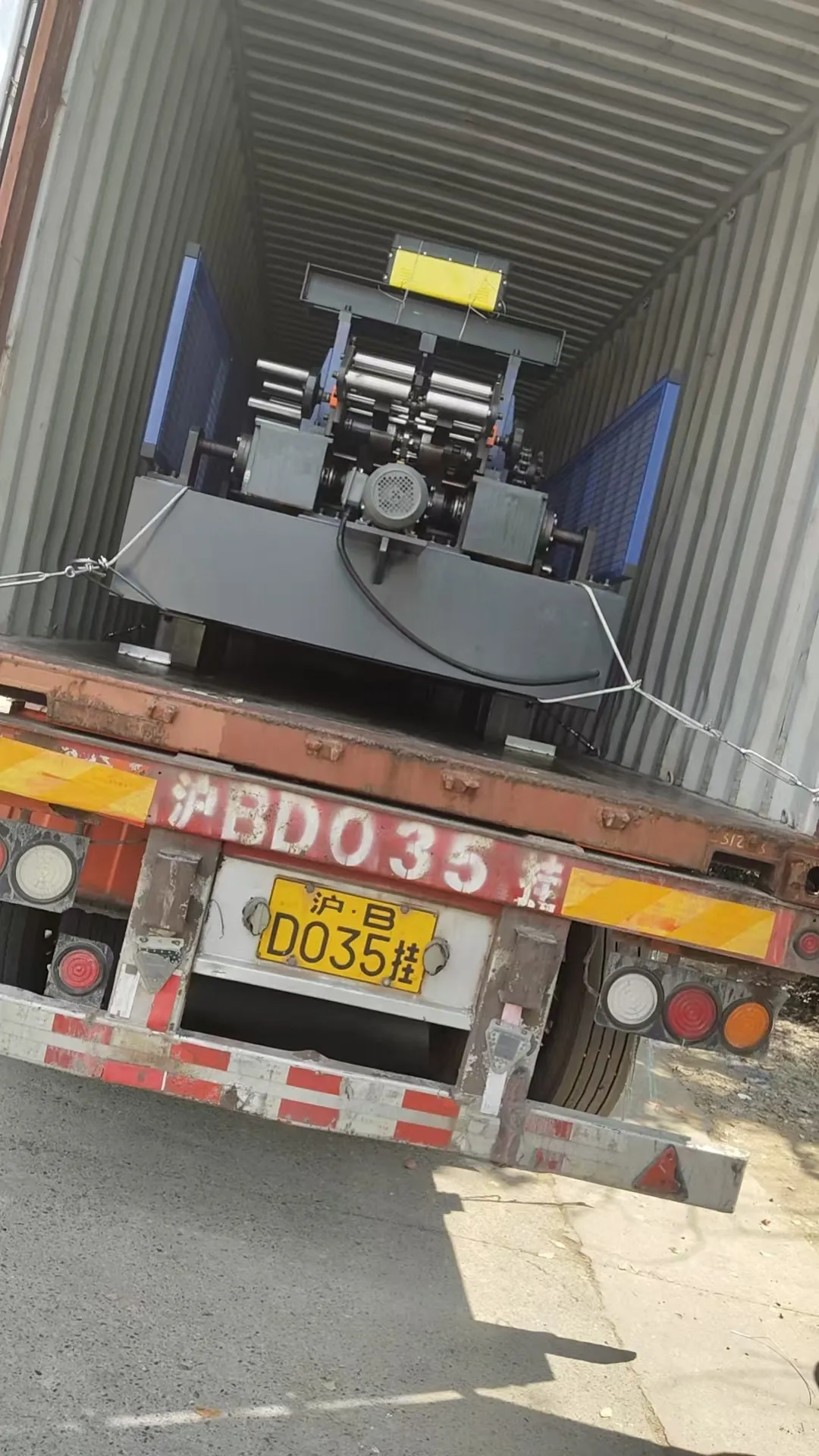
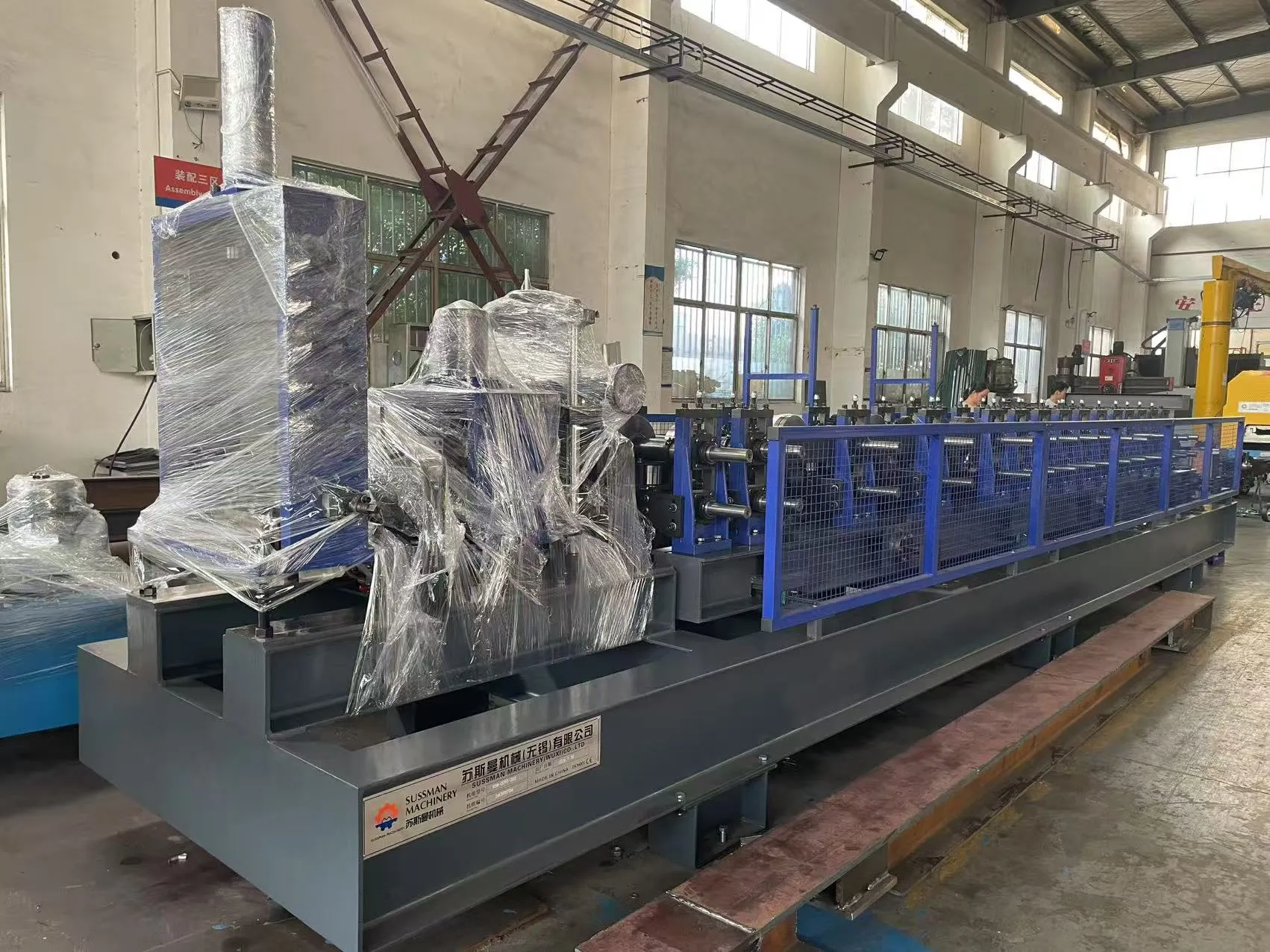
On September 16, 2026, Sussman Machinery was preparing a width adjustable CU stud and track drywall roll forming machine for shipment from its factory in China to Mexico. The machine was being loaded into a shipping container before transportation to Shanghai Port, where it will begin its ocean journey to Mexico.
This shipment represents more than the delivery of another roll forming machine. It demonstrates the growing demand for flexible cold roll forming equipment that can manufacture different drywall framing dimensions on a single production line. For manufacturers serving construction markets with changing project requirements, width and height adjustment can significantly influence production flexibility, tooling requirements, machine utilization, and the ability to respond to different customer specifications.
The machine being shipped is designed specifically for CU stud and track production. Its most important feature is an automatic adjustment system that allows the forming dimensions to be changed without replacing the complete roll forming line. The adjustable width range is from 90 mm to 203.2 mm, corresponding approximately to 3-1/2 inches through 8 inches. The height can automatically adjust from 41.3 mm to 63.5 mm, covering approximately 1-5/8 inches through 2-1/2 inches. The machine is designed for material thicknesses from 1.0 mm to 2.0 mm.
One Machine for Multiple CU Framing Dimensions
Traditional roll forming equipment is often configured around one specific profile or a relatively narrow range of dimensions. When a manufacturer needs to produce several sizes, additional tooling or even separate machines may be required. This approach can increase equipment investment and occupy valuable factory space.
A width adjustable machine approaches the problem differently.
Instead of designing the production line around only one fixed width, the forming system is engineered to accommodate a range of dimensions. For manufacturers producing CU studs and tracks for different drywall systems, this creates an important operational advantage: one production line can support multiple product specifications.
The machine being shipped to Mexico can automatically adjust its width between 90 mm and 203.2 mm. This range covers commonly used framing dimensions from 3-1/2 inches to 8 inches. The automatic adjustment capability is particularly relevant when a manufacturer receives orders for different wall systems, partition designs, building projects, or regional specifications.
The height adjustment range is also significant. The machine can automatically adjust the profile height from 41.3 mm to 63.5 mm, or approximately 1-5/8 inches to 2-1/2 inches.
Together, these two adjustment ranges give the production line considerably more flexibility than a fixed-dimension machine.
Why Automatic Adjustment Matters in Production
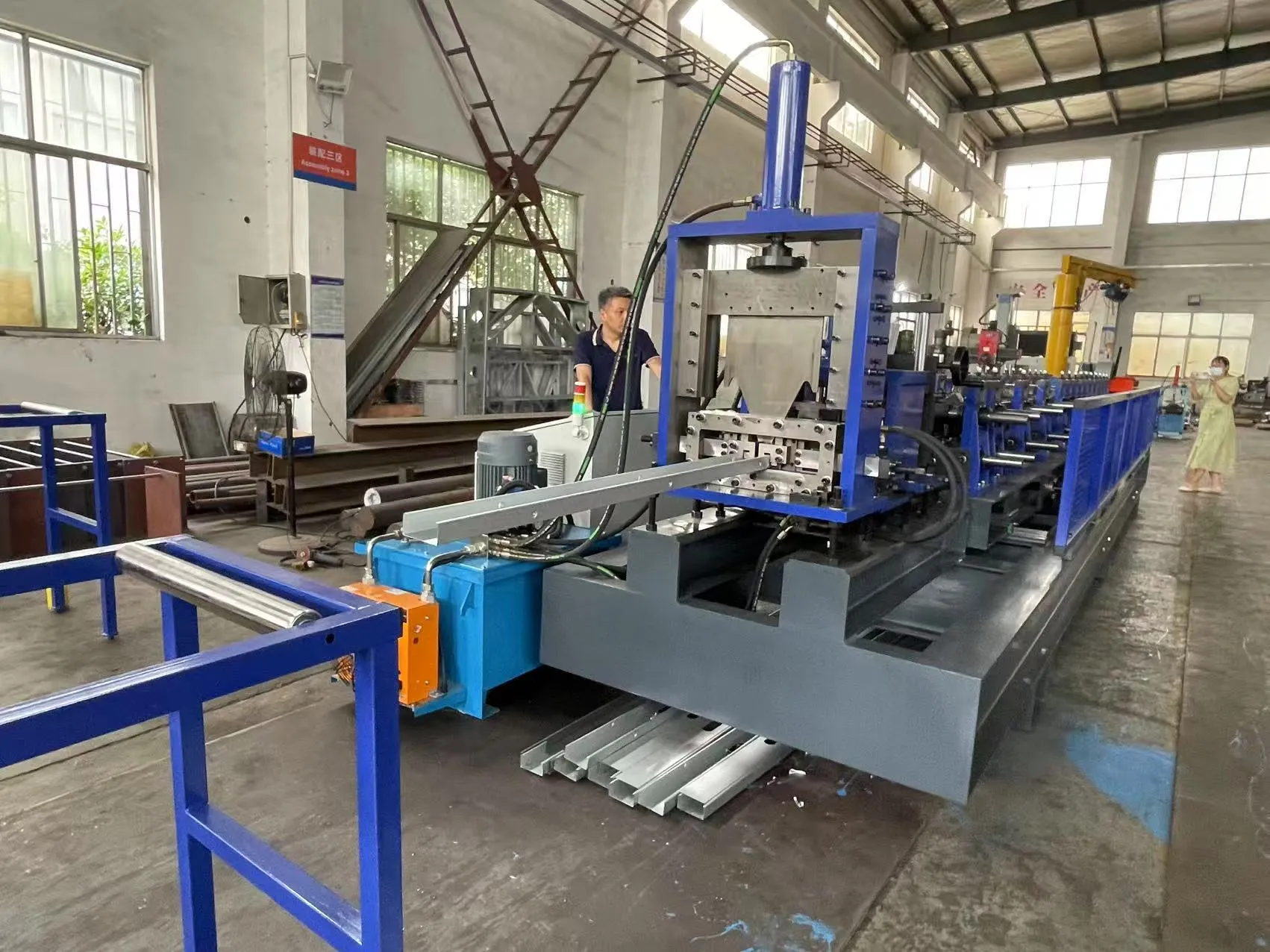
Automatic adjustment is not simply a convenient feature. In a roll forming operation, dimensional changes affect the relationship between the forming stands, material position, and finished profile geometry.
When a machine is designed for a fixed profile, changing dimensions may require mechanical intervention. Depending on the machine structure, operators may need to modify tooling, reposition components, change spacers, or perform other setup work. These activities consume production time and can create additional opportunities for setup errors.
An automatically adjustable roll forming system is designed to reduce these manual operations.
For a manufacturer producing several CU stud and track sizes, the ability to change dimensions through the machine control system can make production planning more flexible. A factory can organize production according to actual orders instead of being limited by a single permanent profile configuration.
This is particularly useful when order quantities vary. A customer may require one batch of 3-1/2-inch framing products and another batch requiring a wider profile. With an adjustable machine, the manufacturer can use the same production line for both applications.
The practical benefit is therefore not only dimensional flexibility but also better utilization of production equipment.
Designed for 1-2 mm Material
Another important specification of the machine is its material thickness range of 1.0 mm to 2.0 mm.
Material thickness is an important consideration in drywall framing because it affects structural performance, profile weight, forming force, tooling design, and the final application of the product.
A machine designed for 1-2 mm material must maintain stable forming conditions across the specified thickness range. The roll forming process progressively shapes the steel through multiple forming stations rather than creating the complete profile in a single operation. Each forming stand contributes to the gradual development of the final CU profile.
This progressive forming principle is one of the fundamental characteristics of cold roll forming.
The quality of the finished profile depends on more than the final dimensions. Material feeding, forming alignment, roll design, machine rigidity, and adjustment accuracy all influence the final product. When producing relatively thin steel profiles, maintaining stable material guidance is particularly important because deformation can become more visible when the material is not correctly controlled.
For manufacturers working with 1-2 mm steel, therefore, the machine needs to combine flexibility with consistent forming performance.
CU Stud and Track Production for Drywall Construction
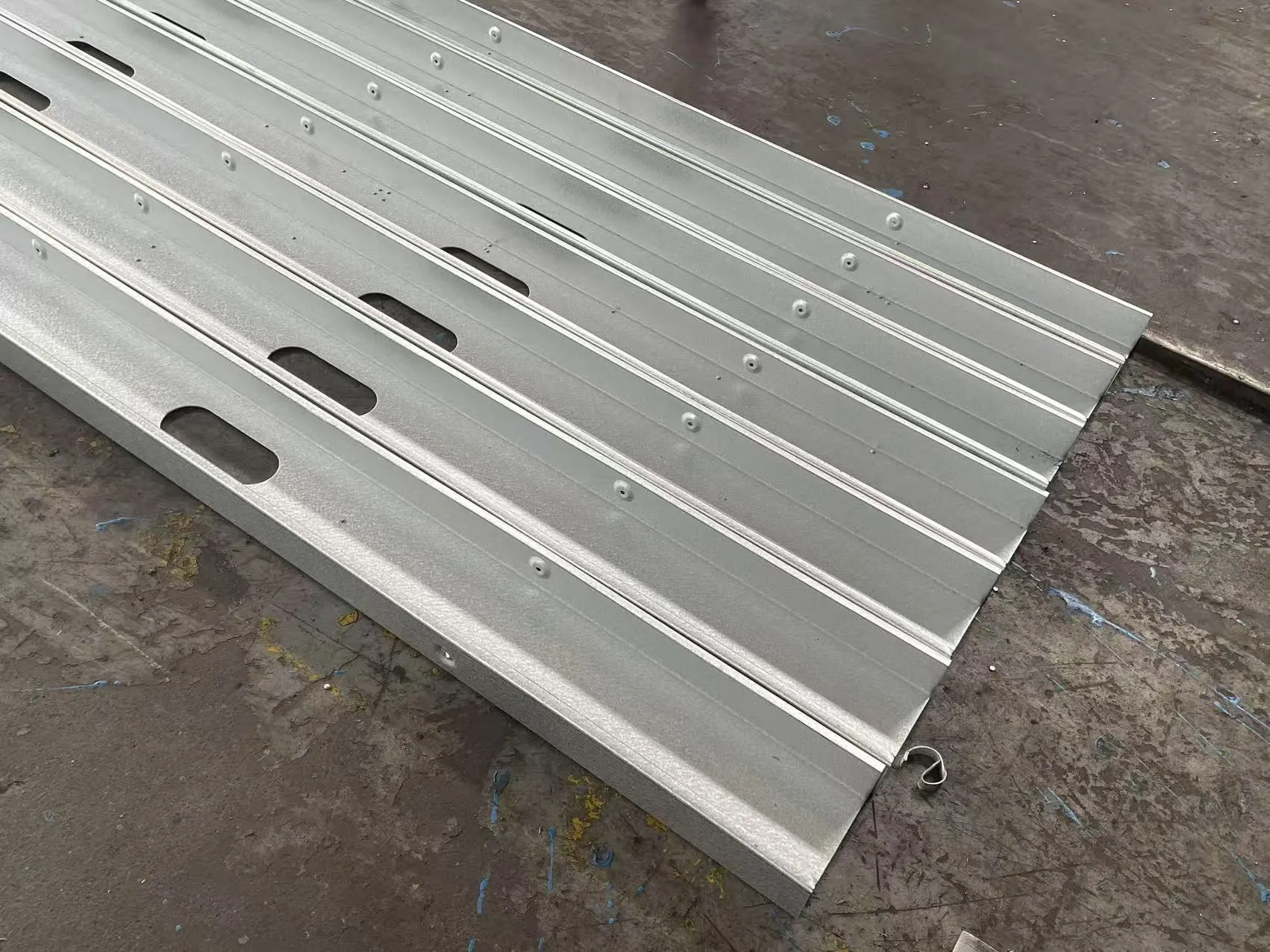
CU stud and track systems are widely used in drywall and light steel partition construction. The stud typically provides the vertical framing component, while the track forms the horizontal or perimeter component of the framing system.
These components are manufactured from galvanized or otherwise protected steel and are commonly used in interior walls, partitions, ceilings, and other lightweight construction applications.
The roll forming process is well suited to this type of product because it allows continuous production from steel coil. Instead of cutting individual sheets before forming, the coil can be continuously fed through the machine, progressively shaped, cut to the required length, and collected for subsequent use or packaging.
This continuous manufacturing approach can provide a high degree of production consistency.
For manufacturers supplying contractors, building-material distributors, and construction projects, the ability to produce multiple dimensions can also broaden the range of products they can offer.
Preparing the Machine for International Shipment
On September 16, the machine was being prepared for container loading at the Sussman Machinery factory.
International shipment of a roll forming machine requires careful preparation because the equipment must travel by road from the factory to the port and then by ocean freight to the destination country.
Before loading, the machine and its components need to be organized in a way that makes efficient use of container space while also protecting the equipment during transportation. Heavy machinery requires appropriate securing to reduce movement during handling and ocean transportation.
The first transportation stage will take the machine to Shanghai Port. From there, it will be loaded for ocean transportation to Mexico.
For industrial equipment, shipment preparation is an important part of the overall delivery process. The production of the machine may take place entirely inside the factory, but the project does not end when manufacturing is completed. Packaging, loading, documentation, transportation, and port handling all form part of the international delivery chain.
The September 16 shipment therefore marks the transition from manufacturing to logistics.
A Flexible Solution for Mexican Manufacturers
Mexico has a diverse construction and manufacturing sector, with demand for equipment capable of serving both domestic projects and industrial customers. For manufacturers of drywall framing components, flexibility can be especially valuable because product dimensions may vary according to building systems, engineering requirements, customer specifications, and market preferences.
A machine covering 90-203.2 mm in width and 41.3-63.5 mm in height gives a manufacturer a broad operating range from one production platform.
The ability to process 1-2 mm material also provides a practical range for producing steel framing products for different applications.
Rather than purchasing a separate fixed machine for every profile size, a manufacturer can use adjustable production technology to cover multiple specifications. The economic impact of this approach depends on production volume and product mix, but the operational concept is straightforward: equipment flexibility can become an important part of production strategy.
From Machine Manufacturing to Long-Term Production
A roll forming machine is not simply a piece of equipment purchased for one project. It becomes part of a manufacturer's production system.
Once installed, the machine can influence how the factory schedules production, manages raw materials, changes between specifications, and responds to customer orders.
This is why adjustable roll forming technology is increasingly relevant to manufacturers that want to produce a wider range of profiles without building an entirely separate production line for every dimension.
The CU stud and track machine leaving Sussman Machinery on September 16 illustrates this approach. Its automatic width adjustment from 90 mm to 203.2 mm and automatic height adjustment from 41.3 mm to 63.5 mm provide a combination of dimensional flexibility and continuous roll forming production.
With a material thickness capability of 1-2 mm, the machine is configured for a substantial range of steel framing applications.
The Next Stage: Installation in Mexico
After leaving the Sussman Machinery factory, the machine will be transported to Shanghai Port and then shipped by sea to Mexico. Once it arrives, the next stage will be installation, commissioning, and integration into the customer's production operation.
The success of a roll forming project ultimately depends on more than the machine arriving at the factory. Correct installation, profile setup, material preparation, machine adjustment, and operator familiarity all contribute to achieving stable production.
For this reason, the shipment on September 16 should be viewed as one stage of a longer manufacturing project rather than the final event.
From steel coil entering the production line to finished CU studs and tracks leaving the machine, every stage of the process contributes to the final product.
The shipment of this width adjustable CU stud and track drywall roll forming machine to Mexico reflects a broader direction in metal forming equipment: manufacturers increasingly need machines that can do more than produce one fixed profile. They need equipment that can adapt to changing dimensions, different customer requirements, and more flexible production schedules.
With automatic width adjustment from 90 mm to 203.2 mm, automatic height adjustment from 41.3 mm to 63.5 mm, and a material thickness range of 1-2 mm, this machine has been configured around that principle of flexibility.
On September 16, the equipment was leaving the factory floor and entering the international logistics chain. Its next destination is Mexico, where the machine will become part of a new CU stud and track production operation.


.webp?x-oss-process=image/resize,w_100/quality,q_100)


